
Wasp Nest Removal
Wasp Nest Removal you can rely on
Same-day and next-day wasp nest removal and bee removal across the UK, handled safely by fully qualified, fully insured technicians who identify the species before they treat.
Free quote
Get a fast, free quote
Tell us what you are dealing with and we will get straight back to you, or call 0330 058 4770. No call centre.
- No obligation and no pushy sales
- Local technician, same or next day where available
- Honest, upfront pricing
About the service
A wasp nest near your door, in the loft, or in the garden is one of the few pest problems where waiting and where DIY genuinely make things worse. Wasps can sting again and again, and they release an alarm scent that calls the rest of the colony to defend, so one disturbed nest can put dozens of wasps in the air in seconds. Our technicians carry the protective kit and professional treatments to deal with it calmly and quickly, usually in a single visit. And because the public mix up wasps, bees and hornets all the time, we identify exactly what you have first, and where it turns out to be bees we look to move them on rather than destroy them wherever that is realistic.
What you are actually seeing: wasp, bee, or hornet?
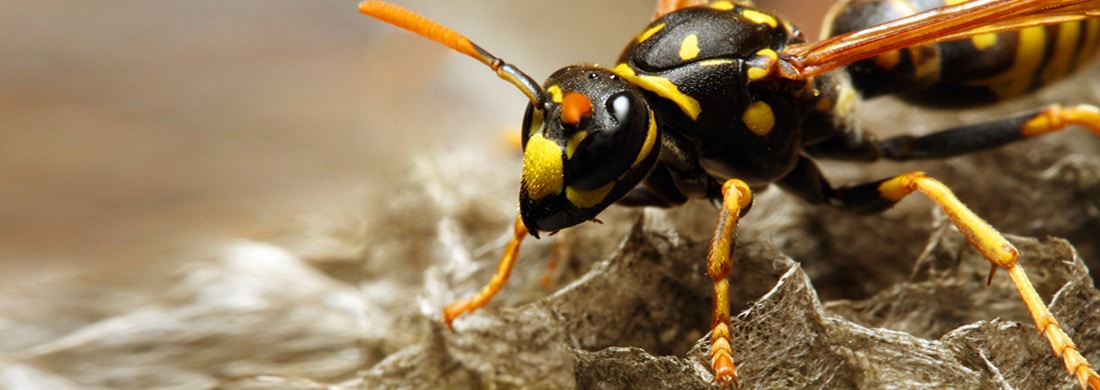
Most people call us about wasps and a fair few turn out to have bees, so a quick check saves a lot of worry. The fastest tells are shape, surface and behaviour. Wasps look smooth and shiny with a sharply pinched waist and a hard, bright yellow-and-black banded body, and they get noticeably bolder the closer you are to the nest. Bees look softer and furry, rounder in the body, and far more relaxed unless you are right on top of them. Hornets are simply a bigger version of the wasp shape, browner and yellower in colour, and you are most likely to meet them near woodland or rural gardens. If you are not sure, send us a photo before you do anything else and we will tell you what you are dealing with.
- Wasp: slim, shiny, hard-bodied, bright banding, sharp waist, defensive near the nest.
- Bee: furry, rounder, calmer, more interested in flowers than in you.
- Hornet: like an oversized wasp, browner and larger, usually rural or woodland-edge.
- Steady daytime traffic in and out of one hole in a roofline, soffit or air brick almost always means an active nest behind it.
Why a wasp nest is never a safe DIY job
Wasps are built to defend. Unlike a bee, a single wasp can sting repeatedly, and a disturbed colony does not retreat, it counter-attacks and will chase. That matters most for anyone with a sting allergy, where one sting can become a medical emergency, but it catches plenty of people with no allergy at all, usually halfway up a loft ladder or a set of steps with nowhere to go. Shop-bought aerosols are the classic trap: they rarely reach far enough into the nest to kill the colony, and the cloud of agitated wasps that comes back out is the part that sends people to A&E. We turn up with proper protective clothing, the right professional treatment, and the equipment to reach nests at height or in a cavity without standing in the firing line.
How we treat a wasp nest, step by step
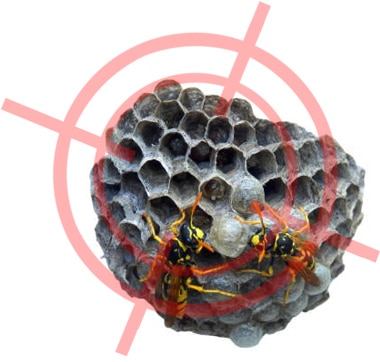
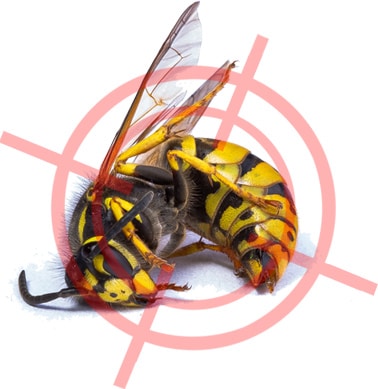
On arrival the technician finds the nest by watching where the wasps are entering and leaving, which is often a single hole in a soffit, an air brick, a roof tile gap or a hole in the ground. Once that entry point is pinned down, they decide whether to treat the nest directly or treat the entry the wasps are using; the principle is the same either way. The professional treatment does not work like an instant knock-down spray, and that is deliberate. Wasps walk through it as they pass in and out and carry it deep into the nest on their bodies, spreading it to the workers and the queen so the whole colony is dealt with rather than just the few wasps you can see. Within a few hours the activity usually falls away sharply, and you may notice dead wasps dropping from the entry, which is a good sign the treatment has taken hold.
- Locate the live entry point from the wasps' own flight path.
- Treat the nest or the entry directly with a professional product.
- Returning wasps spread it through the colony to reach the queen.
- Activity normally drops within hours; full die-off can take a little longer.
When wasps are at their worst, and why timing pays off
A wasp nest starts from nothing each spring. A single queen builds a small nest, no bigger than a golf ball, and raises the first workers. Through June and July that colony grows fast, and by August it can hold thousands of wasps, which is when most people first notice the constant traffic and the bother around bins and food outdoors. Late summer into early autumn is the touchy stage: the colony stops raising young, the workers switch to hunting out anything sugary, and they are at their most short-tempered just as picnics, pub gardens and barbecues are in full swing. The practical takeaway is that a nest caught early in the season is smaller, calmer and quicker to treat, so it is always worth calling at the first sign rather than waiting to see if it settles, because it will not.
Bees: we move them on rather than wipe them out
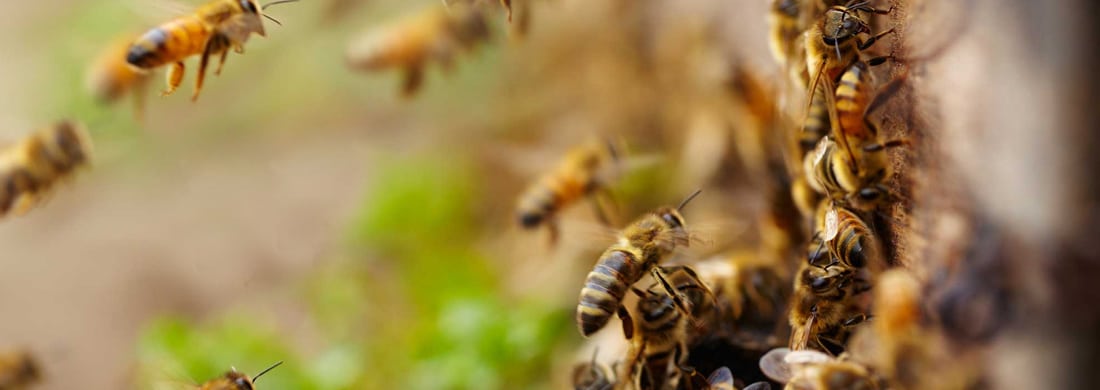
Bees are pollinators and we treat them completely differently from wasps. Our standard approach is to relocate a colony where it is safe and practical, not destroy it. With honeybee swarms we will often pass them to a local beekeeper who will give them a proper home, and bumblebee nests, which are small and short-lived, are usually best left alone to die back naturally by the end of summer. Honeybees do need handling with care for a different reason: an established colony in a wall or chimney builds honeycomb, and if that is left behind after the bees have gone it can damage the structure and draw in ants and wasps, so any honeybee job is done with the comb in mind. Bee season tends to run from spring into mid-summer, and a settled swarm can move on within a day or two, so it is worth calling promptly even when the answer is going to be relocation rather than treatment.
- Honeybee swarms: relocated to a beekeeper wherever we can.
- Bumblebees: small, non-aggressive, usually left to fade out naturally.
- Honeybee colonies in a cavity: handled with the honeycomb removed where access allows.
- Solitary and mason bees in old mortar: harmless and rarely need any treatment.
What to do, and not do, while you wait for us
The single best thing you can do with a suspected nest is leave it alone and keep people and pets clear of the area. Do not block the entry hole. Trapped wasps do not give up, they find another way out, often into the room or roof space behind the wall, and a sealed-in colony becomes far more aggressive. Do not pour boiling water or petrol on it, knock it down, or empty a can of household spray at it, because none of those reliably kill the colony and all of them tend to trigger an immediate attack. If the nest is in a loft or wall cavity, keep the internal door to that area shut, and if you can safely note where the wasps are going in and out, that helps the technician get straight to work when they arrive.
Local technicians, national coverage
We are a family-run pest control firm, not a faceless call centre, and the network of local technicians is the reason we can usually reach you the same or next day in summer rather than booking you a week out. Coverage runs the length of the UK, from city centres to villages well off the main roads, including rural properties where wasp and hornet nests in outbuildings, banks and hedgerows are common. If you are not certain you are inside our area, just call and tell us your postcode, and free advice over the phone comes as standard whether or not you end up booking a visit.
Why Wasps Removal
What you get
Out fast, often same day
Local technicians are spread across the country, so most wasp callouts are reached the same day or the next, including weekends through the busy summer season.
Species checked before any treatment
We confirm whether you have wasps, bees or hornets first, often from a quick phone photo, so the right method is used and bees are protected where possible.
Treated with a return if needed
Nest treatments are covered by a service guarantee. If activity has not settled within the expected window, we come back and re-treat as part of the job.
In pictures
The work, up close
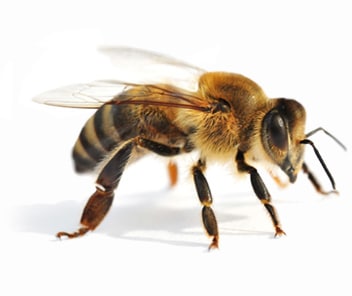
Coverage
Check your area
Good to know
Frequently asked questions
How quickly can you get to me?
In most of the country we can offer a same-day or next-day visit, and we work weekends through the summer when wasp calls are heaviest. The honest answer depends on demand and where you are on the day, so call us with your postcode and we will tell you the earliest realistic slot rather than a vague promise.
Do you cover rural and hard-to-reach areas?
Yes. Our technicians are based locally across the UK rather than run out of one office, so villages, farms and isolated properties are covered as standard. Rural callouts often involve hornet nests or wasp nests in outbuildings, hedgerows and ground burrows, which we deal with routinely. If you are unsure you are in range, give us your postcode and we will confirm.
How much does wasp nest removal cost?
Pricing depends on the type of nest, how many there are, and how easy the nest is to reach, so a nest at ground level is not the same job as one in a high roof void. We will give you a clear, no-obligation price before any work starts, with no surprise charges added afterwards, so you know exactly where you stand before you book.
Is the treatment safe for my children and pets?
Yes, when it is carried out by a trained technician. The product is applied to the nest or its entry point, not sprayed around your home, and we will tell you the short period to keep clear of the treated spot. Once it has taken effect, usually within a few hours, the area is fine for normal use again.
Can I just deal with a wasp nest myself?
We strongly advise against it. Supermarket sprays rarely reach far enough into a nest to kill the colony, and the agitated wasps that pour back out are what cause most sting injuries. Add a ladder or a confined loft to that picture and the risk climbs sharply. A professional visit is faster, safer and far more likely to solve it in one go.
How do I know whether I have wasps or bees?
Wasps are smooth, shiny and sharply waisted with bright banding and get bolder near the nest, while bees are furry, rounder and far calmer. The quickest route is to send us a photo before you do anything, and we will identify it from that. It matters, because wasps are treated and bees are protected and relocated wherever we can.
Will you destroy a bee nest?
Not as a first resort. Bees are pollinators, so our default is relocation: honeybee swarms are passed to a local beekeeper where possible, and small bumblebee nests are usually best left to die back naturally by the end of summer. We only consider treatment where bees genuinely cannot be moved and there is a real risk to people's health or safety.
What time of year are wasps the biggest problem?
Activity builds through June and July and peaks from August into early autumn, when the nest is largest and the wasps are at their most aggressive around food and bins. A nest treated earlier in the season is smaller and easier to deal with, so the sooner you call once you spot one, the simpler the job tends to be.
How long until the wasps are gone after treatment?
Activity usually drops away within a few hours, and you may see dead wasps falling from the entry, which is a good sign. Full die-off can take a little longer in some cases. If there is still real activity after the expected settling period, that is what the return visit is for, and we will come back to re-treat.
What if the nest is not gone after you have treated it?
Our nest treatments are backed by a service guarantee. Occasionally a stubborn or large colony needs a second dose, and if activity has not settled within the expected window we will return and re-treat as part of the job rather than charging you for a fresh callout.
Do you remove the actual nest afterwards?
Often there is no need. Once the colony is dead the nest is harmless and breaks down on its own over time. Where the nest is somewhere you would rather not leave it, such as inside a room, we can discuss removing it on the visit. Nests buried deep in a wall cavity or roof structure are not always physically removable, and that is normal.
Will wasps come back to the same place next year?
Not to the same nest. Wasps never reuse an old nest, and the existing colony dies out completely by winter. The same spot can attract a fresh queen the following spring because it offered good shelter once, so if you have had repeat nests in one location we can suggest ways to make it less appealing.
Should I block up the hole the wasps are using?
No, please do not. Blocking the entry does not trap the colony, it forces the wasps to find another way out, frequently into the room or loft behind the wall, and a sealed-in nest turns far more aggressive. Leave the entry alone, keep clear of it, and let the technician deal with it properly.
There are wasps in my loft, is that dangerous?
Lofts are one of the most common nest sites and one of the trickier ones, because you are dealing with a defensive colony in a confined space, often reached by a steep ladder. That combination is exactly where DIY attempts go wrong. Keep the loft hatch shut, keep the area below clear, and let a technician treat it with the right access equipment.
Do you handle hornets as well?
Yes. Hornets look like oversized wasps and deliver a painful sting, and they are more common around woodland and rural gardens. We identify and treat hornets with the same care as wasps. If you think you have hornets, a photo helps us confirm the species and bring the right approach to the visit.
Do you treat pests other than wasps and bees?
Yes. Although wasp and bee work is what we are best known for over the summer, our technicians deal with the full range of household and business pests through the year, from rodents to insects. If you have something else going on alongside the wasps, mention it when you call and we can often sort both in one visit.
Wasps problem? We can usually be out the same or next day.
Speak to the team for a fast, free quote. No call centre.